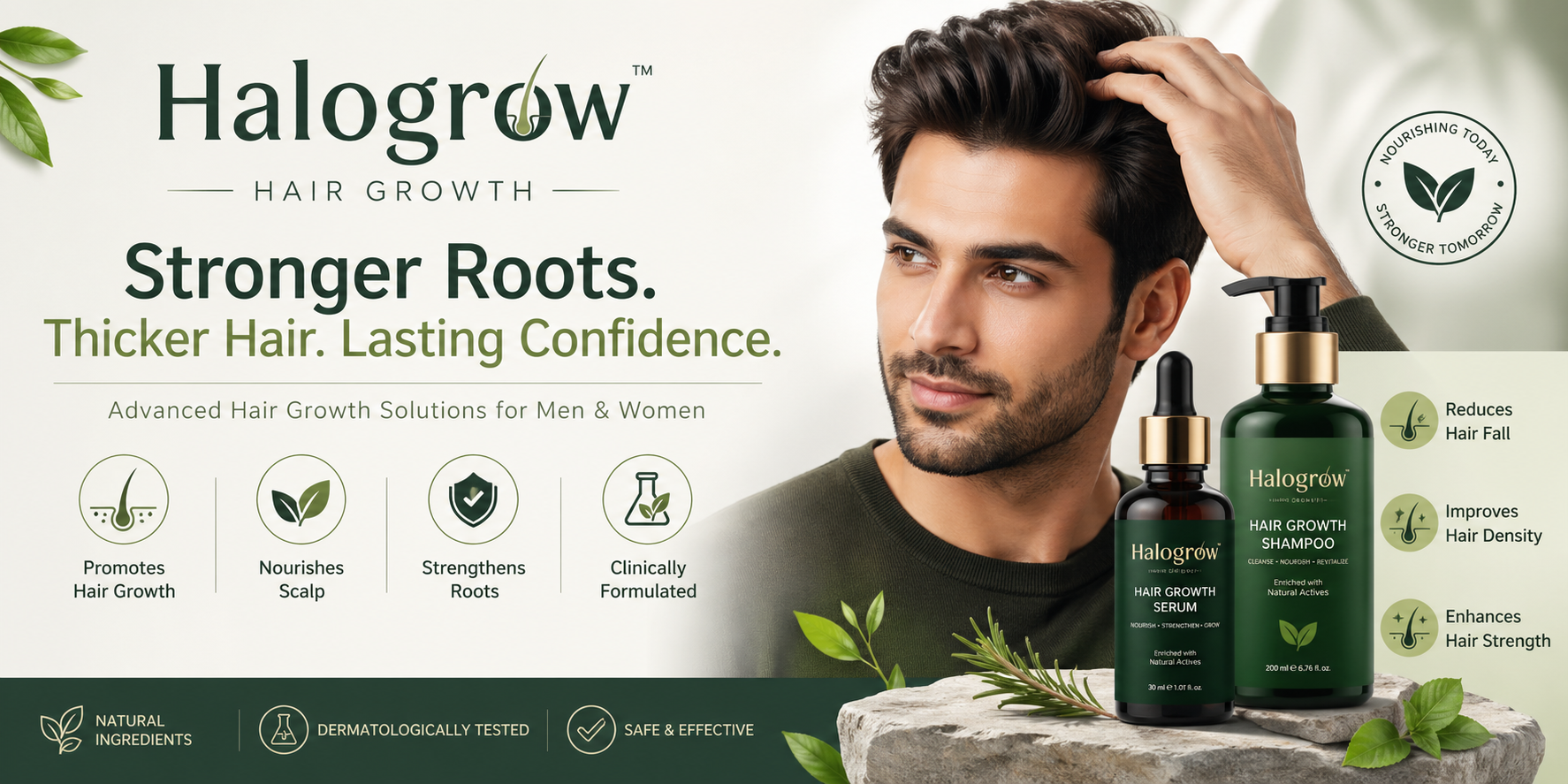
hair treatment
If you’ve been searching for a solution to thinning hair or slow hair growth, chances are you’ve already come across HaloGrow. It’s been popping up in health forums, social media feeds, and wellness communities right across Australia. But with so many hair growth products flooding the market, it’s only reasonable to ask — does HaloGrow actually work, or is it just another overhyped supplement?
Before you hand over your hard-earned dollars, this honest review breaks down everything you need to know about HaloGrow — including how it works, what’s inside it, who it’s suitable for, and what real Australians are saying about their results.
What Is HaloGrow?
HaloGrow is a hair growth supplement designed to support healthier, thicker, and faster-growing hair from within. Unlike topical treatments such as shampoos or serums that work on the surface level, HaloGrow targets the root cause of hair concerns by nourishing hair follicles through a blend of vitamins, minerals, and botanical ingredients.
The product is marketed primarily at people experiencing hair thinning, excessive shedding, slow growth, or dull and brittle hair. Whether the issue is caused by nutritional deficiencies, hormonal changes, stress, or simply ageing, HaloGrow claims to address these underlying factors with a daily supplement routine.
It’s taken orally, typically in capsule form, and is meant to be used consistently over a period of weeks to months before noticeable results appear. That last point is worth keeping in mind — this is not an overnight fix.
HaloGrow Ingredients – What’s Actually Inside?
One of the most important things to evaluate in any supplement is the ingredient list. Let’s take a closer look at what HaloGrow contains and why each component matters for hair health.
Biotin (Vitamin B7)
Biotin is one of the most well-known nutrients for hair growth, and for good reason. It plays a direct role in the production of keratin — the protein that forms the structural foundation of your hair. A deficiency in biotin is closely linked to hair loss, brittle nails, and dry skin. HaloGrow includes a clinically relevant dose of biotin to help fill any gaps that diet alone might not address.
Zinc
Zinc is an essential mineral that supports tissue repair and hair follicle function. It helps regulate the oil glands around hair follicles and plays a crucial role in keeping hair anchored in the scalp. Low zinc levels have been associated with a type of hair loss called telogen effluvium, where large numbers of hairs enter the shedding phase at once.
Iron
Iron deficiency is one of the leading causes of hair loss in women, particularly in Australia where dietary habits don’t always meet daily iron requirements. Without adequate iron, hair follicles don’t receive enough oxygen to function properly, which can result in significant shedding and slowed growth.
Vitamin D
Research has consistently shown a connection between low vitamin D levels and various forms of hair loss, including alopecia areata. Despite Australia’s sunny reputation, vitamin D deficiency is surprisingly common due to sun-safe practices and indoor lifestyles. HaloGrow includes this often-overlooked nutrient to support follicle health at a cellular level.
Saw Palmetto Extract
Saw palmetto is a plant extract with growing evidence behind its ability to block DHT — a hormone that shrinks hair follicles and is heavily implicated in pattern baldness in both men and women. While it’s not a replacement for prescription DHT blockers, saw palmetto offers a gentler, natural alternative for those concerned about hormonal hair thinning.
Collagen Peptides
Collagen provides amino acids that serve as building blocks for hair proteins. As we age, natural collagen production drops significantly, which can contribute to thinner, more fragile hair strands. Supplementing with collagen peptides helps replenish what the body produces less of over time.
Fo-Ti (He Shou Wu)
Fo-Ti is a traditional Chinese herb that has been used for centuries to support hair pigmentation and growth. Modern research suggests it may help extend the anagen (active growth) phase of the hair cycle, which means more time spent growing and less time resting.
Niacin (Vitamin B3)
Niacin improves blood circulation to the scalp, ensuring that hair follicles receive the oxygen and nutrients they need to thrive. Better circulation means a healthier scalp environment for hair growth overall.
HaloGrow Benefits – What Can You Expect?
Based on the ingredients and user feedback, HaloGrow may offer several meaningful benefits for those dealing with hair concerns.
The most commonly reported benefit is a reduction in daily hair shedding. Many users notice they’re losing noticeably less hair in the shower and on their brush within the first few weeks of consistent use. This is often one of the first signs that the supplement is supporting the hair cycle.
Over a longer period — typically two to three months — users tend to report improvements in hair thickness and texture. Hair feels stronger, looks shinier, and individual strands appear fuller. For those who’ve been dealing with fine or limp hair, this is often the most motivating change.
Some users also report new growth along the hairline and temples, areas that are often the first to thin. While this result isn’t universal, it’s a promising outcome for those with early-stage hair thinning.
Beyond hair specifically, the nutrient blend in HaloGrow also tends to benefit nail strength and skin hydration — a bonus that many users appreciate. Biotin, collagen, and zinc collectively support multiple areas of physical appearance.
HaloGrow Side Effects – Is It Safe to Use?
For the majority of healthy adults, HaloGrow appears to be well-tolerated. The ingredients used are largely natural and fall within commonly accepted safety ranges. However, like any supplement, there are a few things to be aware of.
Some users report mild digestive discomfort — such as bloating or nausea — particularly when the supplement is taken on an empty stomach. This is a common issue with many capsule-based supplements and can usually be resolved by taking HaloGrow with food.
High doses of biotin, which is present in many hair supplements, have been known to interfere with certain thyroid and hormone blood tests by producing false readings. If you have any upcoming blood work, it’s worth informing your doctor that you’re taking a biotin-containing supplement.
Saw palmetto, while generally safe, can occasionally cause mild hormonal effects in sensitive individuals. Those with pre-existing hormonal conditions or those taking related medications should consult their GP before starting use.
HaloGrow is not recommended during pregnancy or breastfeeding without professional medical advice, as certain herbal ingredients have not been sufficiently studied in those groups.
Real Results – What Are Australian Users Saying?
Feedback from Australian users has been largely positive, though results do vary from person to person. Here’s a fair summary of what’s being said.
Women in their 30s and 40s dealing with postpartum hair loss or perimenopause-related thinning seem to be among the most satisfied users. Many describe a noticeable reduction in shedding within the first four to six weeks, followed by gradual improvements in density over the following months.
Men experiencing early diffuse thinning have also reported encouraging results, particularly when combined with a healthy diet and adequate hydration. However, those with advanced male pattern baldness have noted more modest outcomes — which aligns with the realistic expectations any supplement should carry.
A smaller portion of users report no significant change after three months of use. This is not unusual given the complexity of hair loss, which can have many causes that a supplement alone may not fully address.
The consensus across most reviews is that HaloGrow works best as part of a broader approach to hair health — one that includes a balanced diet, stress management, scalp care, and patience.
How to Use HaloGrow for Best Results
To get the most out of HaloGrow, consistency is everything. Hair growth is a slow process by nature — the average scalp grows roughly 1.25 centimetres of hair per month — so a minimum commitment of three months is generally recommended before making a final judgement.
Take the recommended dose daily with a meal to minimise any potential digestive sensitivity. Pairing the supplement with a protein-rich diet will support the amino acid supply your hair needs to grow. Staying well-hydrated and managing stress levels will also make a meaningful difference to your results.
Avoid expecting dramatic changes in the first few weeks. The early wins are usually reduced shedding and improved hair texture, with visible density and length improvements coming later with continued use.
Is HaloGrow Worth It?
HaloGrow appears to be a thoughtfully formulated supplement that combines several evidence-backed ingredients for hair health. It’s not a miracle product, and it won’t reverse significant hair loss on its own — but for those dealing with nutritional deficiencies, stress-related shedding, or early-stage thinning, it offers a legitimate and relatively low-risk approach to supporting hair from the inside out.
If you’re already maintaining a healthy lifestyle and want to give your hair an extra nutritional boost, HaloGrow is worth considering. Just go in with realistic expectations, commit to consistent use for at least three months, and speak with your doctor if you have any underlying health conditions before starting.
The bottom line? HaloGrow is not a quick fix — but for the right person, with realistic expectations and consistent use, it could be a meaningful step toward healthier, fuller hair.